

 Military & Government
What Is a Zero-Day Attack?
A zero-day attack is a cyberattack that takes advantage of a previously unknown vulnerability in software, hardware, or firmware before a security patch or fix is available. The term “zero-day” refers to the fact that the software owner/vendor has had zero days to address the vulnerability before attackers begin using it.
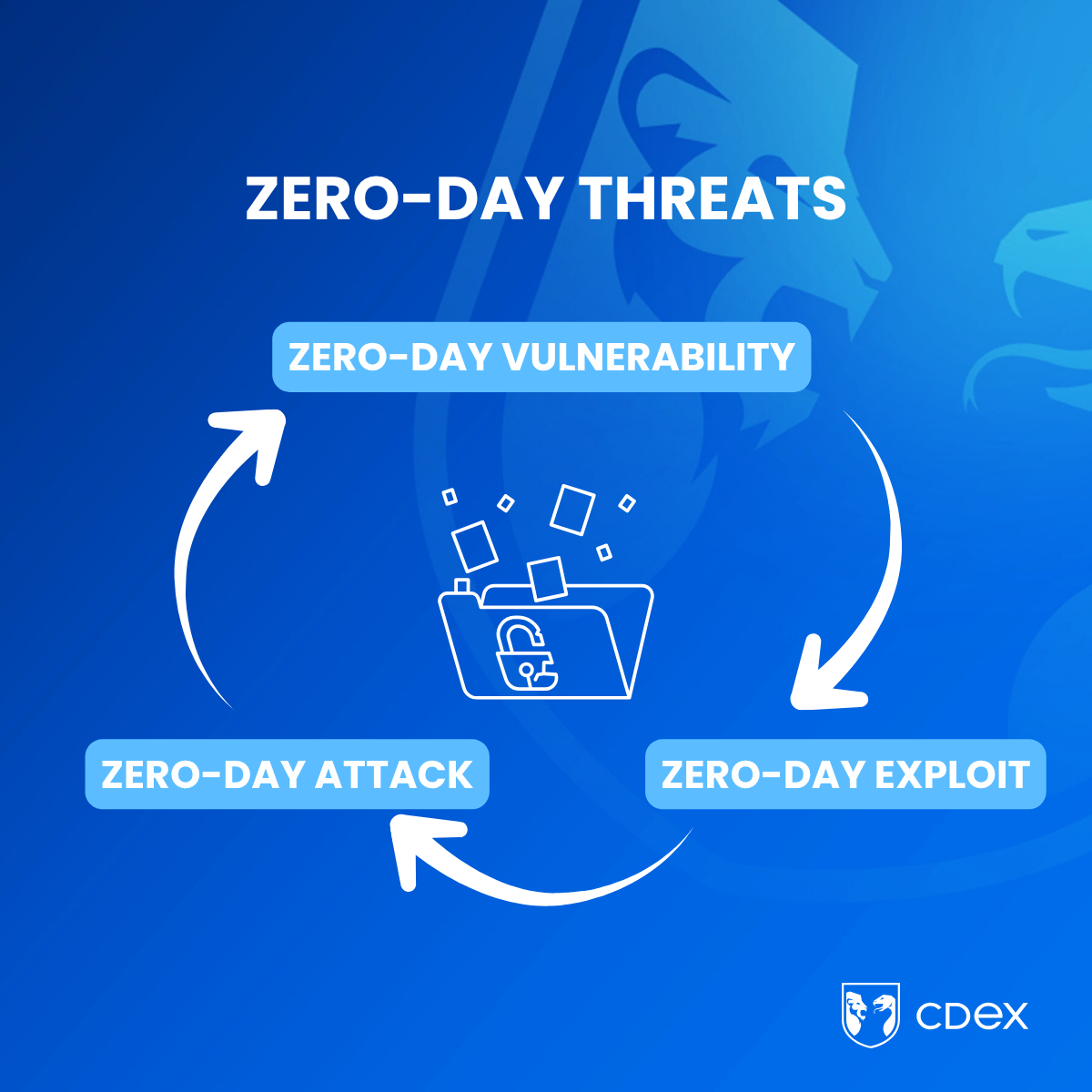
A zero-day attack usually involves three key elements:
- Zero-day vulnerability
A zero-day vulnerability is an unknown security flaw that exists in a system, application, or device. Because the vendor is not aware of the vulnerability, there is no official fix available.
- Zero-day exploit
A zero-day exploit is a technique, code, or method used by an attacker to exploit a vulnerability. The exploit is what allows attackers to perform actions such as:
- Running malicious code
- Accessing restricted systems
- Stealing sensitive information
- Installing malware
- Zero-day attack
A zero-day attack occurs when threat actors actively use the exploit against a target.
For example, an attacker may discover a vulnerability in a web browser, create an exploit that takes advantage of it, and use malicious websites or phishing emails to compromise users before a patch becomes available.
Although these terms are often used interchangeably, they describe different parts of the same process.
The Significance of Zero-Day Attacks
Zero-day attacks are among the most serious cybersecurity risks because they exploit gaps in existing defenses. Traditional security approaches often depend on known malware signatures, existing vulnerability databases, and previously identified attack patterns. However, zero-day attacks operate outside this knowledge. Organisations cannot simply search for a vulnerability they do not know exists. This creates a cybersecurity challenge: Attackers only need one successful entry point. Defenders must protect every possible entry point.
Zero-day vulnerabilities are particularly valuable because they can provide attackers with an advantage before security teams can respond.
They may be used for:
- Financial crime
- Espionage
- Data theft
- Ransomware operations
- Cyber warfare
Advanced threat actors, including well-funded criminal groups, may invest significant resources into discovering or purchasing zero-day exploits. This is why cybersecurity has increasingly shifted from a reactive approach toward proactive defense. Instead of waiting for an attack to reveal weaknesses, organisations need to continuously test their environments, monitor suspicious behavior, and prepare response strategies.
How Do Zero-Day Attacks Work?
Zero-day attacks typically follow a series of steps. The process often begins with reconnaissance, where attackers gather information about a target, such as its systems, software, and potential weaknesses. Once a vulnerability is identified, attackers develop or obtain an exploit that can take advantage of the flaw.
The next stage is delivery, where the exploit is introduced to the target system. This can happen through methods such as phishing emails, malicious websites, compromised applications, or infected files. After the vulnerability is exploited, attackers may install malware, gain unauthorized access, and establish persistence within the environment.
Many zero-day attacks also involve command and control (C2), allowing attackers to communicate with compromised systems and perform further actions. Depending on their goals, attackers may then steal sensitive data, disrupt operations, deploy ransomware, or move through the network to access additional resources.
Defending Against Zero-Day Attacks
Although zero-day attacks are difficult to predict, organisations can reduce their impact through a proactive, layered security approach focused on prevention, detection, and response.
A key defense strategy is Zero Trust Architecture, which continuously verifies users, devices, and connections while limiting access to reduce attacker movement. Behavior-based threat detection, using tools such as EDR, XDR, and SIEM platforms, helps identify suspicious activity that traditional security tools may miss.
Additional protections include strong endpoint security, network segmentation, application isolation, and effective patch management to reduce exposure. Organisations should also apply least-privilege access, use multi-factor authentication, and regularly test their defences through threat hunting, red team exercises, and incident response training.
While zero-day attacks cannot always be prevented, organizations that continuously monitor, test, and improve their security posture are better prepared to respond and limit damage.
Platforms like CDeX support this proactive approach by creating realistic environments where defenders can develop practical skills before facing real-world attacks. The goal is not only to prevent attacks but also to build the ability to detect, contain, and recover quickly.
Table of contents